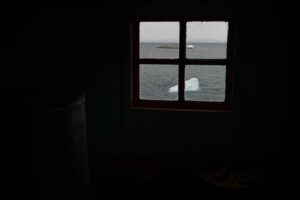
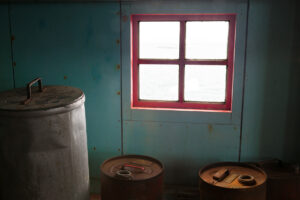
A big challenge for photographers is that the camera simply cannot capture the range of brightness in the world that we can see. When we look at a subject with our own eyes, we can see all sorts of detail, from the brightest areas to the darkest areas. Unfortunately, the camera cannot. And when there is strong contrast between bright and dark areas, the camera will emphasize, even overemphasize, that contrast.
This can be especially problematic with bright skies and dark landscapes. It can be impossible to get a single exposure directly from your camera that captures both a good sky and good ground at the same time. Another problem can occur when you are photographing a subject in the shade against a bright, sunny background; the exposure range can be so extreme that, once again, there is no correct exposure to get a good image.
The first thing to do is accept that sometimes you just have to say no to a particular picture, recognizing that it may be impossible to get a good image given the lighting conditions since no exposure will be correct. If you can recognize this, you will start looking around for images that you can say yes to. That’s an important decision to be able to make.
To get a better photograph, in certain situations, there are things you can do to control the way light comes into your camera. A traditional way for landscape photographers to deal with a bright sky is to use a graduated neutral density filter.
This filter is half clear and half gray with a blend, or gradient, through the middle. By placing the dark part of the filter over the bright part of the scene, such as the sky, and the clear part of the filter over the darker part of the scene, such as the ground, you can balance the light coming through your lens so the camera can get a good exposure.
The challenge with a graduated neutral density filter is that it creates a line through the image. If you have a mountain or tree going into the sky, it will be darkened as well as the sky, for example. Unfortunately, this is starting to be a very dated look for photography. A graduated neutral density filter can still be helpful in knocking down bright light or brightly lit areas in the picture to balance them with the rest of the image, but you just have to use it carefully so the effect is not obvious.
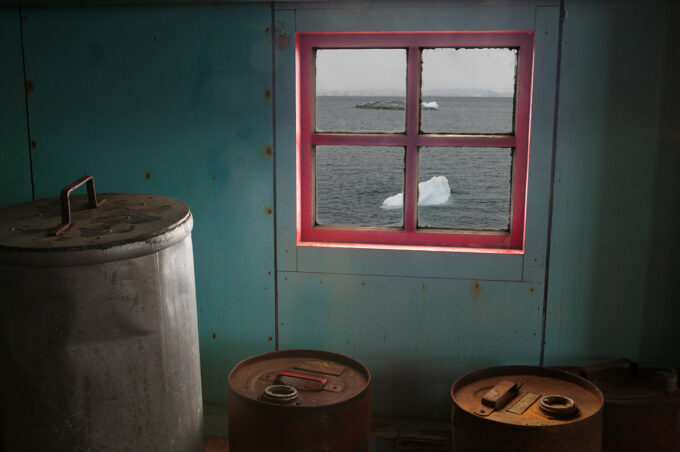
Another way to work with multiple image exposures is to shoot an exposure for the bright areas, then an exposure for the dark areas. These two images are then combined in the computer by using the best of each. Shooting two images like this is actually quite easy to do.
Exposure created for bright areas.Exposure Created for Dark Areas
Start by locking your camera onto a tripod. Shoot one exposure that makes your sky look good, then shoot a second exposure that makes your ground look good. Bring the two images into Lightroom, where you can adjust the sky picture to make the sky look its best, and the ground picture to make the ground look its best.
Then you send the two pictures over to Photoshop as layers. Put the two pictures on top of each other as layers and make sure they are lined up. Then simply remove the bad part of the top picture, revealing the good area of the bottom picture in that section of the image. You can do this in two ways. The down and dirty way is to simply use the Eraser tool by setting it to a large size and 0 hardness (a very soft brush). You then erase the bad part of the picture.
Combined Result
The second way to do this is to use a layer mask. Add a layer mask to the top picture/layer and use a large, soft-edged (0 hardness) brush to paint black onto that layer mask and block the bad part of the top picture.
If you’d like to see the masking process in action as a future lesson for the blog, leave a comment below. Although there are a lot of helpful tools these days to help you auto-mask and adjust exposures, nothing beats knowing how to manually edit your photos without relying on automated tools that might not always give you the best results. A fundamental understanding of masking is an incredible tool for any photographer to have available to them.
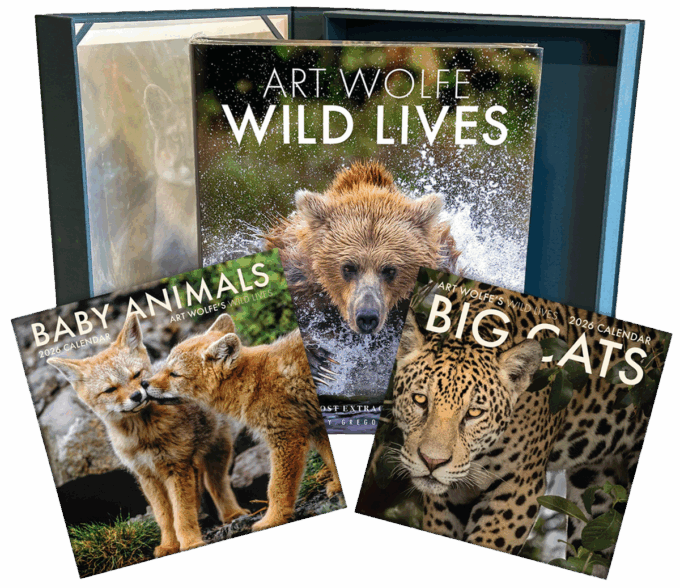
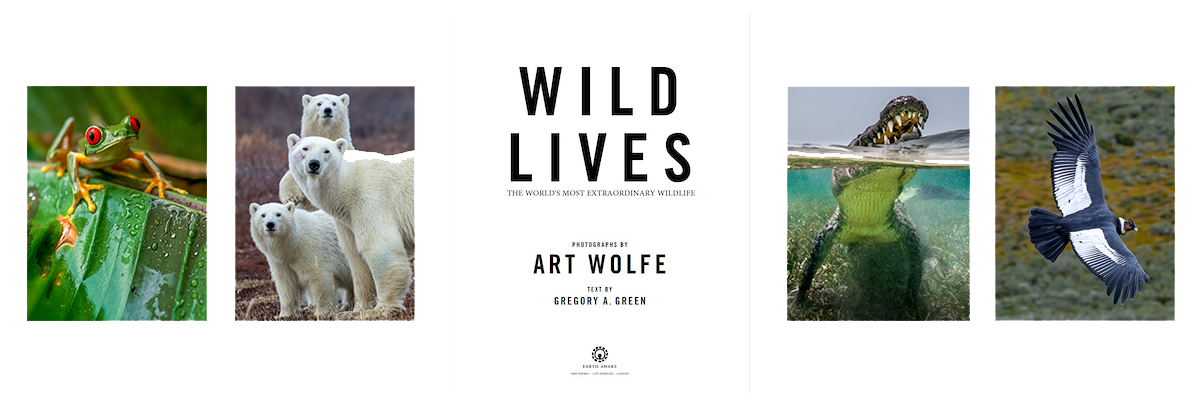
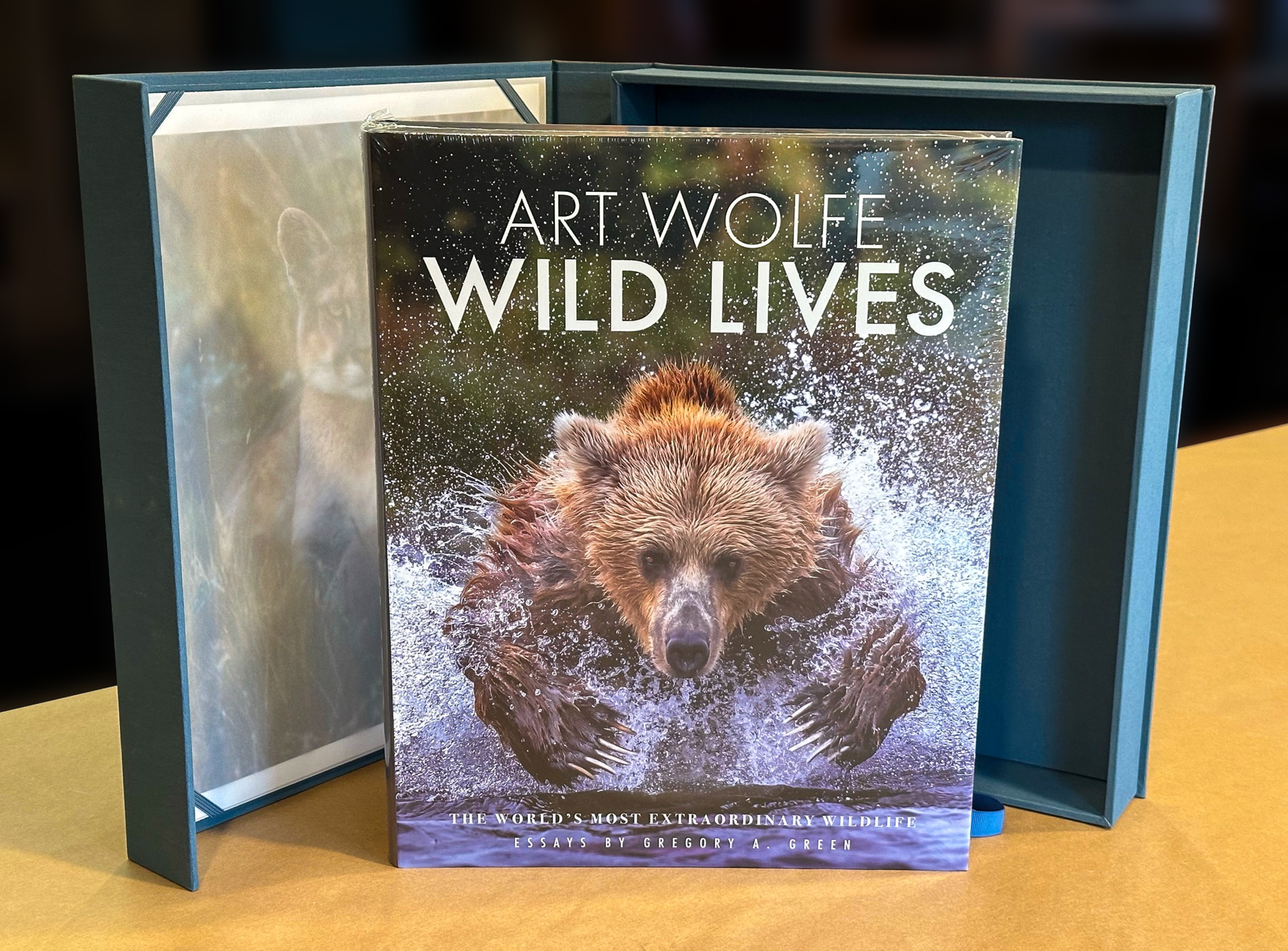
If you’re looking to cross someone special off your holiday list, consider gifting them my wildlife magnum opus – Wild Lives! This “Big, Beautiful Book” is just that—full of the most iconic images I’ve captured over the years, from dozens of countries and insightful text by my good friend Greg Green.
Order before the end of November and get a free calendar – choose from Big Cats and Baby Animals. Choose the standard edition of Wild Lives or the Collector’s edition that comes in a gorgeous clamshell case with a signed print and more.
One of the most powerful tools a photographer has isn’t just the camera—it’s the choice of lens. Focal length not only determines how much of the scene you capture, but it also shapes how subjects relate to each other in scale and space. By deliberately choosing different lenses, you can either magnify a subject or minimize it, creating vastly different stories within the same world.
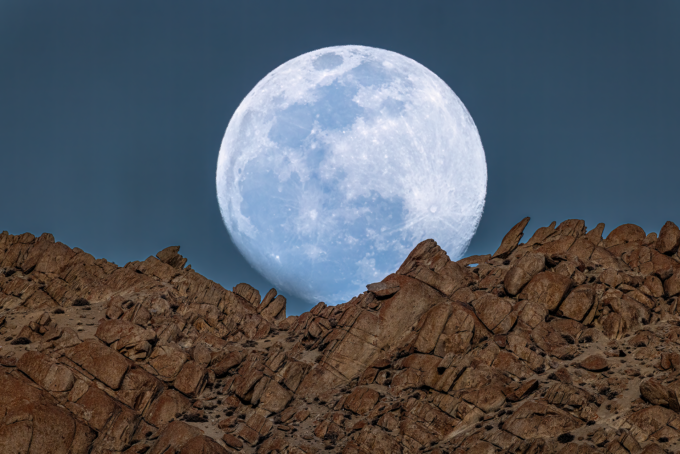
In Ladakh, India, while tracking the elusive snow leopard, I turned my attention to other subjects while waiting out the evasive cats. Using a 1200mm lens with a 1.4x extender, the moon filled my frame—crisp, detailed, and dominant.
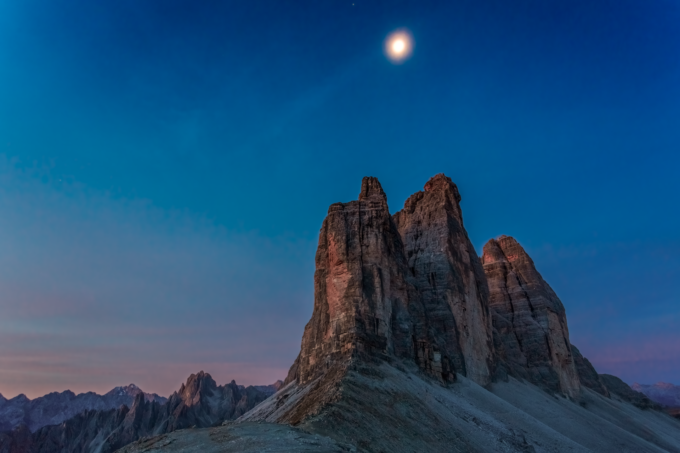
Compare this to my image of the moon over Tre Cime di Lavaredo, Italy, shot with a 17-40mm wide-angle lens. Here, the moon shrinks to a tiny accent while the towering spires command attention. Same moon, two worlds apart—thanks to lens choice.
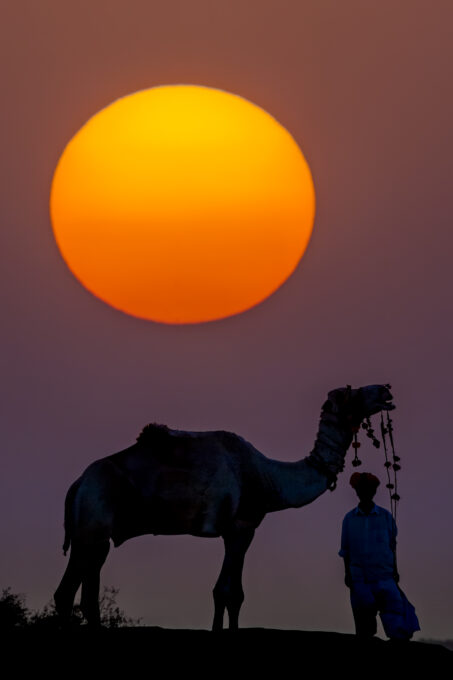
The same principle applies when photographing the sun. At the Pushkar Camel Fair in Rajasthan, I used a 500mm lens to place the sun in near-equal prominence to the silhouetted subject, creating a striking balance.
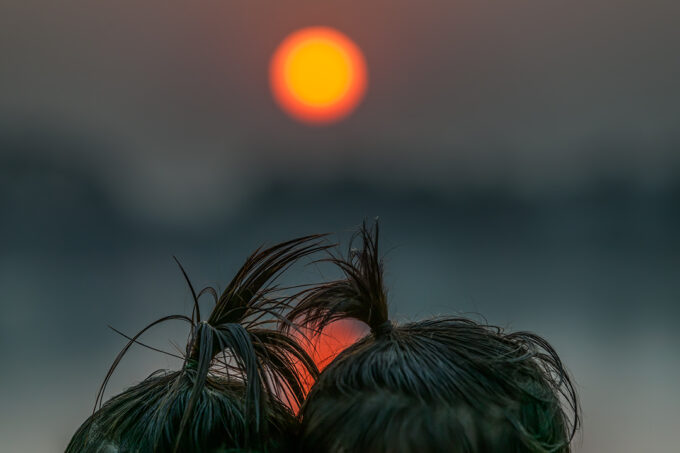
In Goa, India, I photographed two girls’ ponytails with the sun in the background, using a 70-200mm lens at 165mm. The sun becomes a smaller, softer presence—still important, but secondary.
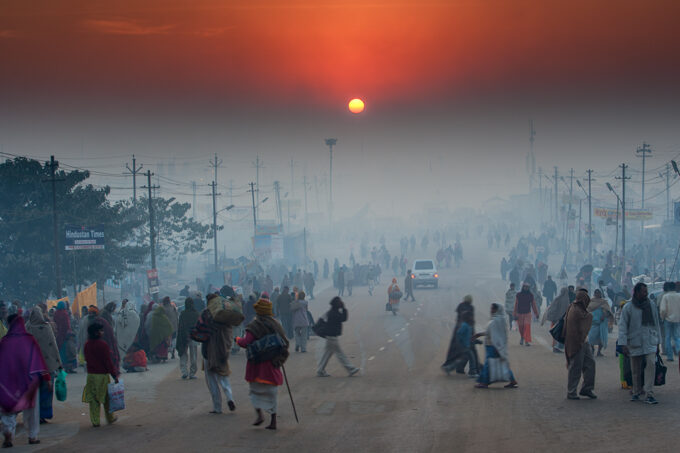
At the Kumbh Mela in Uttar Pradesh, a 70mm lens rendered the sun as a tiny orb in a vast, dusty expanse, emphasizing the human pilgrimage over the celestial backdrop.
Longer lenses not only magnify distant objects—they compress space, making background elements appear closer to the foreground. Wide angles, on the other hand, exaggerate depth, pushing background elements farther away. Mastering this interplay between focal length, subject size, and background compression will give you the ability to control the viewer’s perception and craft stronger, more intentional images.
We are celebrating the season with a holiday sale! Now through Christmas, get 15% off my entire library of books and prints. Order in the next couple of weeks to guarantee your order is signed and shipped in time for the holidays. Just use code WOLFEGIFT24 in my online store.
Choose from books like my latest, Wild Lives – or grab instructional volumes like The Art of the Photograph and The New Art of Photographing Nature. Bundle books and save even more! This weekend brings Small Business Saturday. Grab a unique gift at a discounted price, have it signed, and support a small business – win win win!
I’m looking forward to the new year – stay tuned to the blog for my annual year in review!
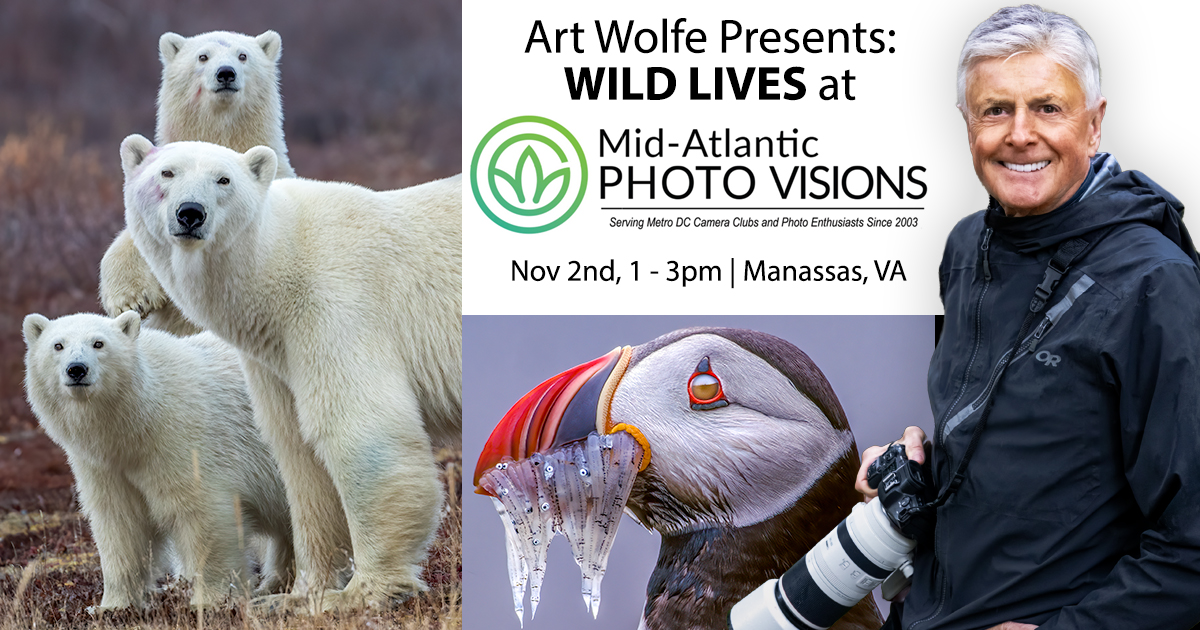
The first weekend of November, I’ll be in Manassass, Virgina for the Mid-Atlantic Photo Visions Expo! This will be a two-day event with incredible speakers, workshops, one-on-one experiences and much more. Make a weekend of it and catch the whole show, or just come and check out my WILD LIVES presentation on the 2nd, from 1 to 3pm. I’ll be signing books after the talk, with copies available for purchase – or lug your own books to the event; I’d be happy to meet you and sign them!
I’ll be sharing photos from my latest book project along with the stories behind them. WILD LIVES represents my most comprehensive collection of wildlife to date, with photos ranging from early in my career to shots I was able to capture and sneak in right before it went to print. I’m proud of this project, and I can’t wait to share it with you!
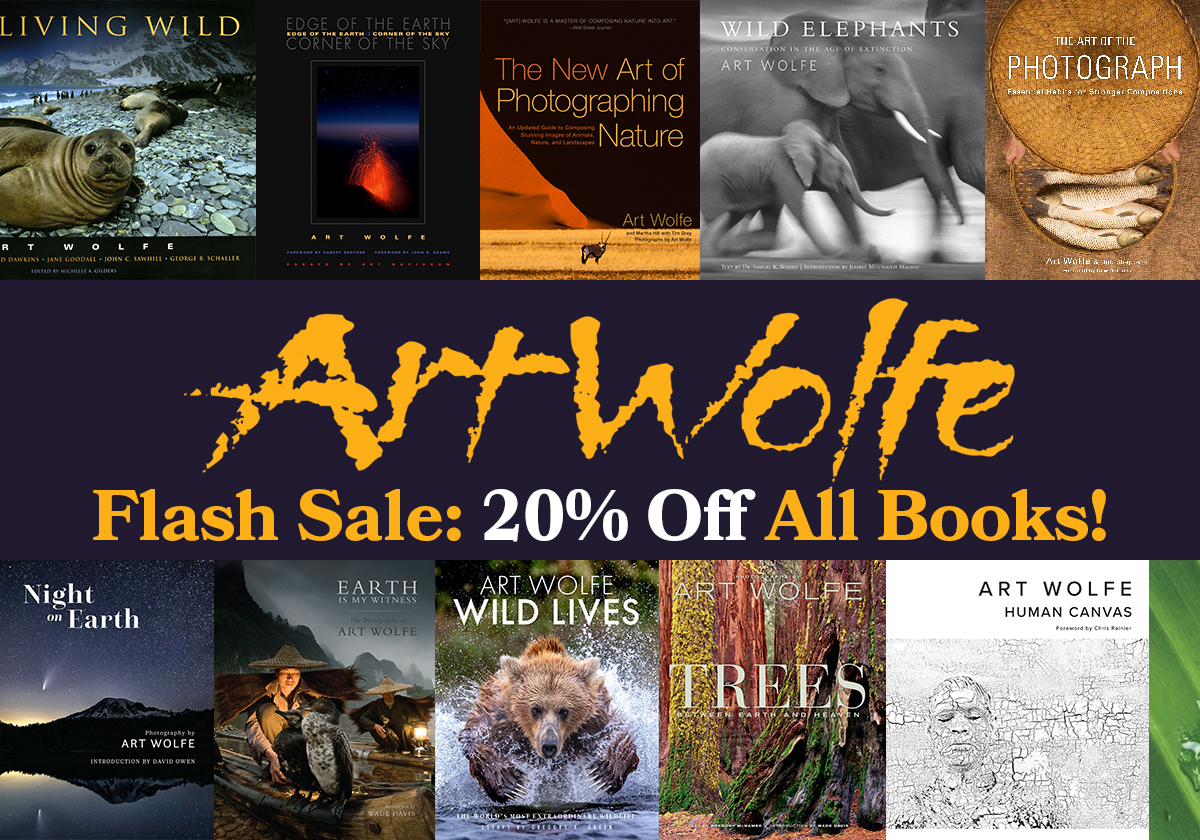
Book Lover’s Day falls this week; what better way to celebrate than with a flash sale? Use code BOOKLOVE24 at checkout and save 20% on any books in my online store – including my latest wildlife project WILD LIVES. Request a signature and/or custom message at checkout and I’d be happy to sign them when I’m home from my travels. As an added bonus, you’ll know you’re supporting a small business – something myself and my staff appreciate!
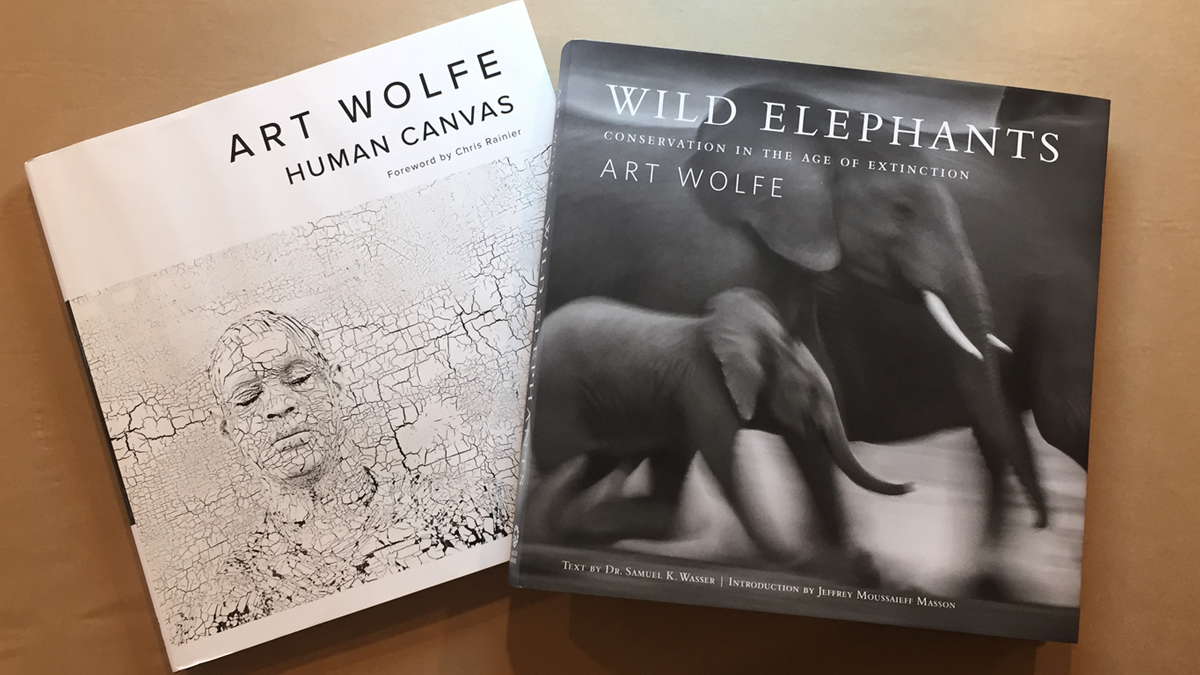
I’ve got books for every kind of photographer and photography fan. The Art of Photographing Nature and The Art of the Photograph are excellently written how-to books offering a variety of evergreen knowledge. Two of my most recent books, Trees: Between Earth & Heaven and Night On Earth are celebrations of beautiful flora and landscapes, and the trade edition of Human Canvas blends my experience as a fine artist and painter with photography as well as techniques and visuals in spired by cultures world-wide.
The flash sale will continue through the weekend and ends on August 11th.
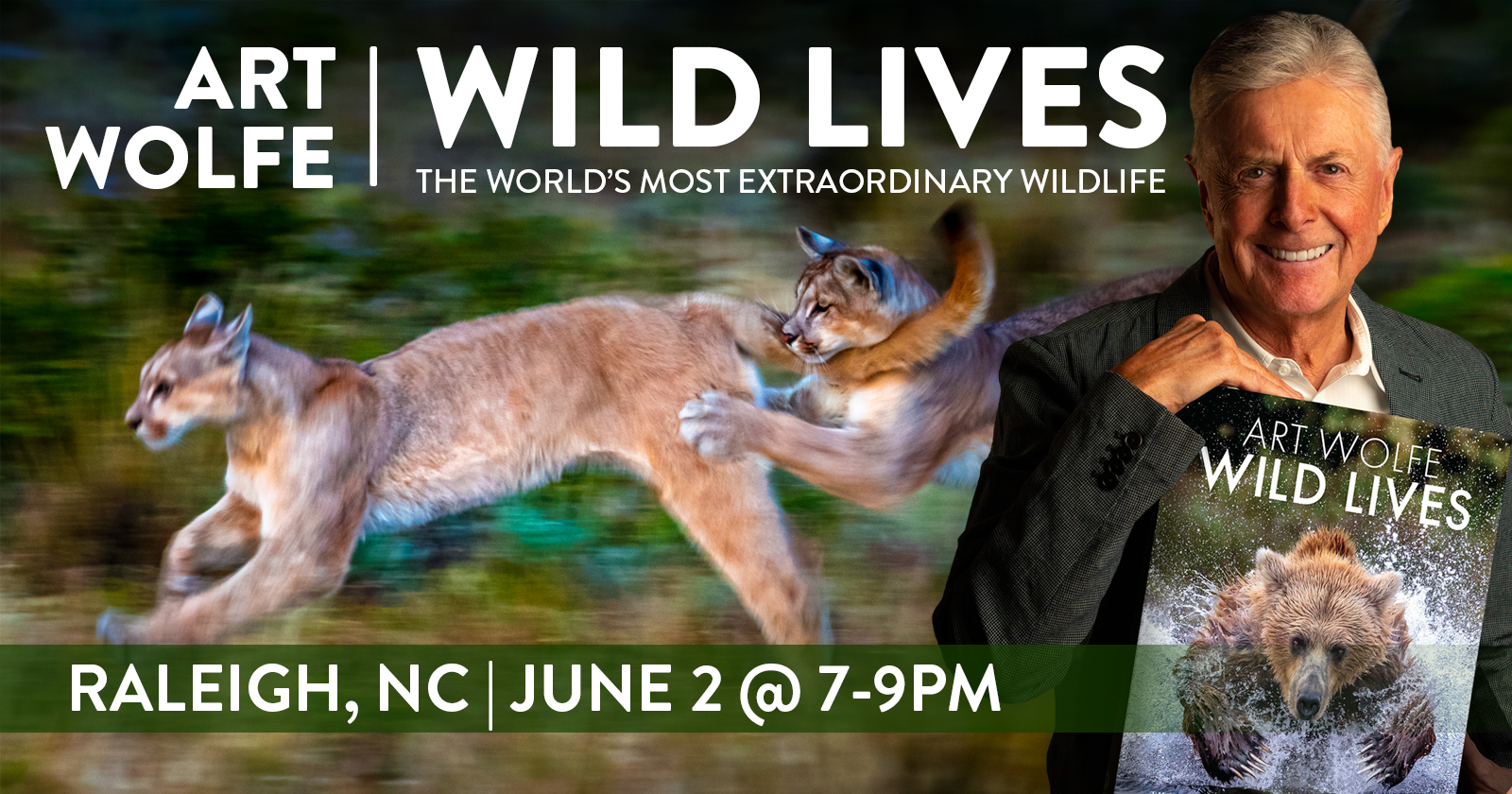
We are just over a week away from my WILD LIVES presentation in Raleigh, North Carolina! Books will be available for purchase, and I’ll be signing copies. More importantly, I’ll be taking a deep-dive into the stories and strategies behind a lifetime of wild life photography and international travel.
As someone who’s spent their life photographing wildlife around the globe, I feel I’m well-suited to comment on the changes I’ve seen in the flora and fauna of places I’ve revisited several times over the years; a list that continues to grow with each new trip. While I strongly advocate continuing to find ways to lessen mankind’s impact on the natural world, WILD LIVES seeks to present animal success stories.
As we continue our struggle to evaluate mankind’s impact on our environment, populations for many species are on the rise as they reconcile their co-existence with humans. It was my goal with WILD LIVES to celebrate these successes. The news isn’t all bad! Perhaps there are lessons we can take away from these animals that have weathered the storm of sharing our planet with a species that is capable of inhabiting nearly every environment on the planet.
We’ll have a limited supply of books on hand that I’ll be signing. I hope to see you in Raleigh on June 2nd!
I recently had the pleasure of joining Richard Bernabe on his “Beyond the Lens” podcast to talk all things WILD LIVES. We discuss a number of topics, from the how and why of the book creation process to the important factors that my decades in the field have taught me about capturing impactful wildlife images. We covered a little bit of everything with my latest book as the jumping off point, so there’s bound to be something here for everyone.
Enjoy the podcast and be sure to subscribe to hear more of Richard’s interviews with prominent photographers and wildlife enthusiasts, and if you haven’t already order your copy of the standard or Collector’s Edition of WILD LIVES. There are also several WILD-centric tours and events coming up. Check and see if I’ll be near your city, or join me in the field!
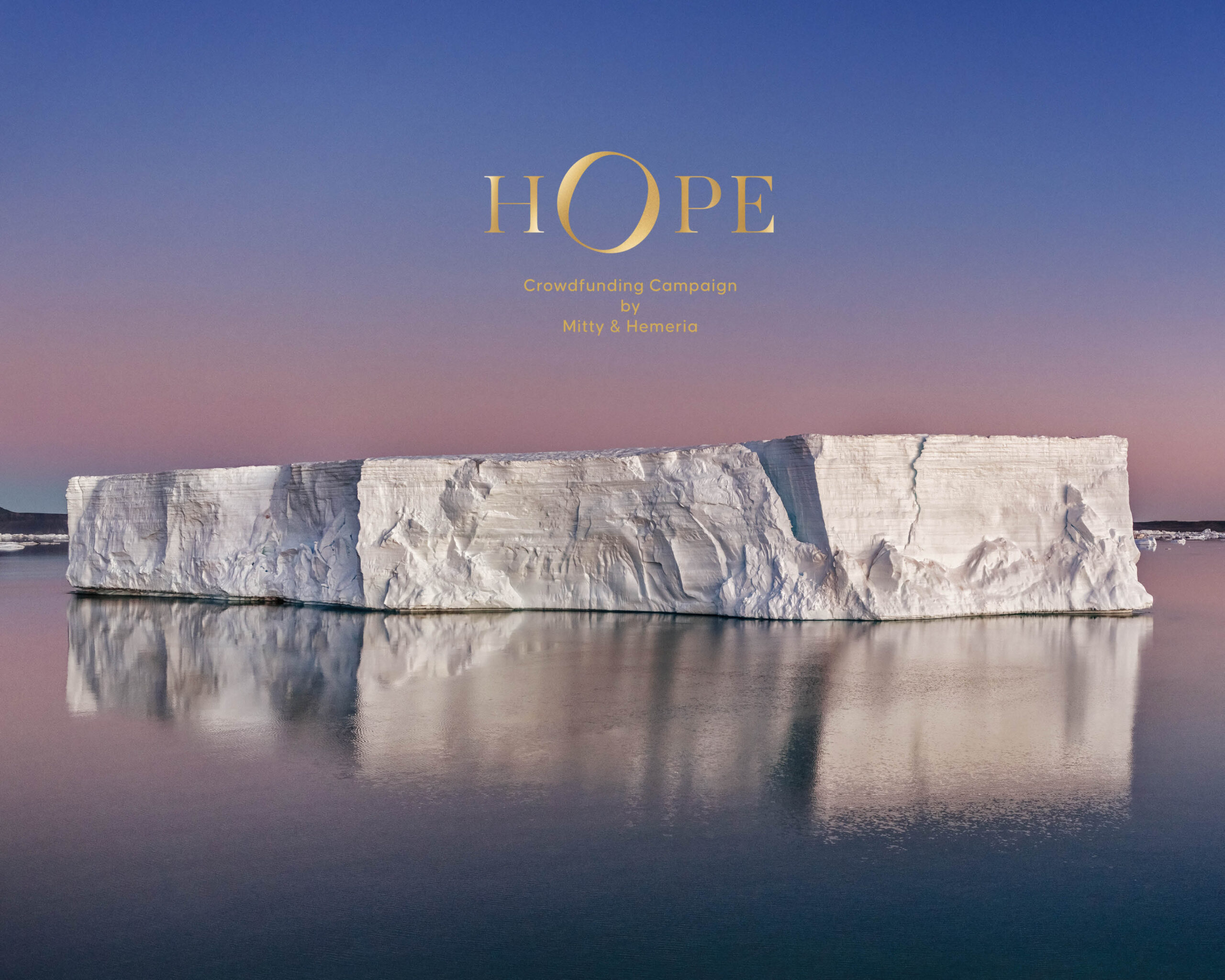
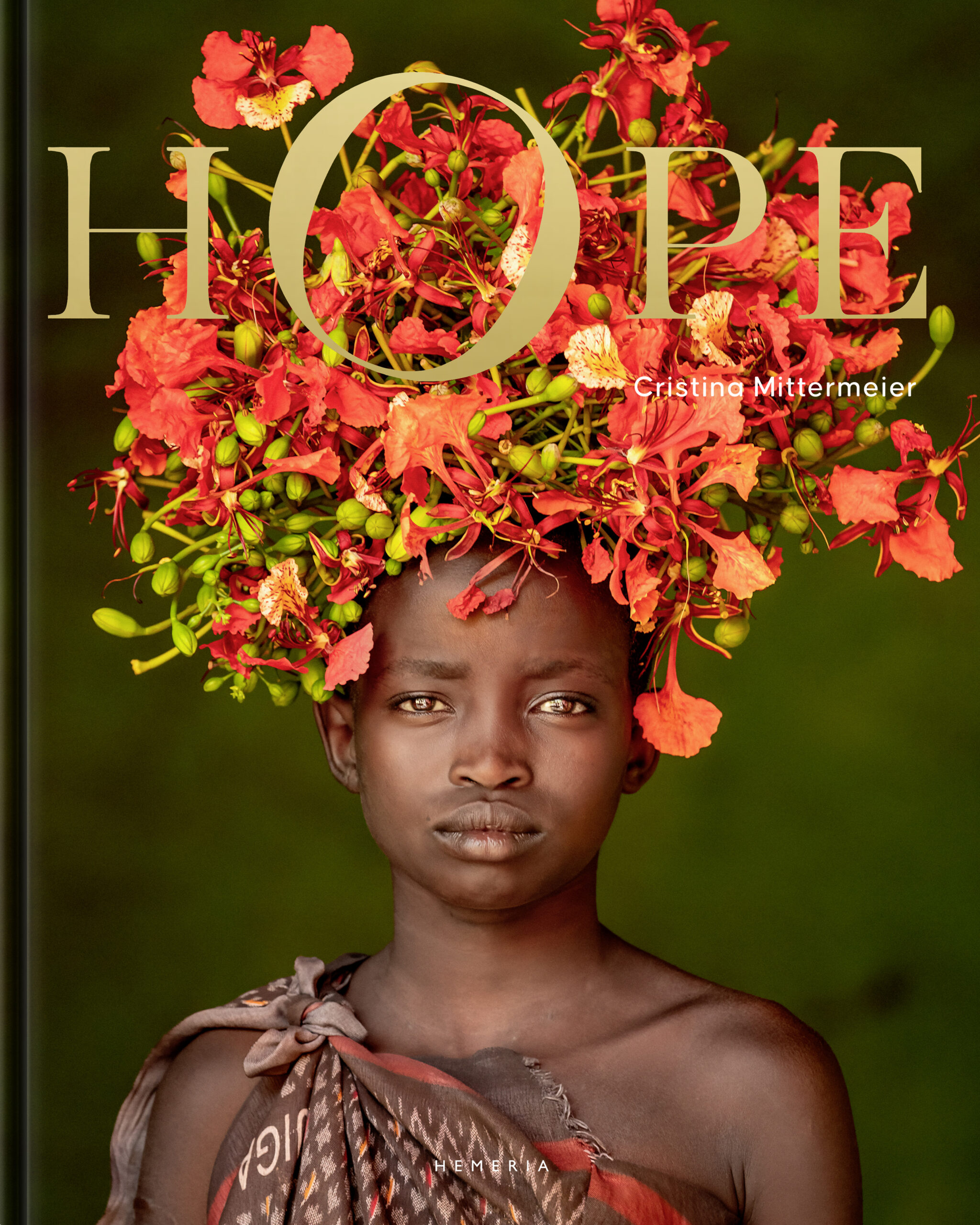
HOPE by Cristina “Mitty” Mittermeier is an uplifting book project that I urge everyone to support. Mitty is a great communicator and unparalleled photographer. She has done so much for the photographic & conservation community with the founding of SeaLegacy and the International League of Conservation Photographers ILCP. Please join me in supporting Mitty’s crowdfunding campaign for ‘HOPE’ – a book showcasing her most iconic images and inspiring stories from her 30-year journey as a photographer and activist. Part of the proceeds of this book will directly benefit the people, communities and projects featured in these pages!
Hey there, nature and photography enthusiasts! I’m absolutely thrilled to share that I’ve had the opportunity to sit down with Matt Payne on the ‘F-Stop Collaborate and Listen’ podcast. We’ve taken a deep dive into my lifelong journey through the world of photography, discussing everything from the origins of my passion to the recent release of “Wild Lives”—a book that captures the essence of nature’s heartening resilience across the globe.
In our conversation, you’ll hear about the challenges and triumphs of my career, my travels to every corner of the planet, and the meticulous care that goes into each project, including my transformational TV series, ‘Travels to the Edge.’ I share my personal insights into the responsibility of being a source of inspiration while carefully navigating the line between innovation and emulation. Plus, I’m excited to open up about the strategic planning behind my shoots, the evolution of my projects, and the conservation efforts that I’m deeply passionate about.
As we chat about the pressing issues of legacy and environmental consciousness, I hope to ignite a flame in all of you to appreciate the beauty of our world and to remind everyone of the power of photography to tell stories that matter. Be sure to listen to this special episode of the podcast, and let’s continue to strive for a positive impact and a lasting footprint on both the art world and our precious planet. Let’s connect, share, and keep the conversation going on this amazing platform for photographers and listeners alike!