In January we had a terrific safari in the Serengeti. We were lucky to be in a less-visited area of wide-open plains scattered with granite hills–classic scenes of East Africa. It is on these exact rocky outcrops where the action lies, for leopards and lions lie up here, awaiting you to discover them in the early mornings. And when you do find them, it is the quintessential African scene, large cats poised on the precipice of rocky outcrops overlooking open plains. It is Africa defined and it is photographic heaven.
Then we moved on to the short-grass plains of the southern Serengeti to witness the wildebeest calving season. More than half a million wildebeests converge here to give birth, flooding the landscape with life and attracting a full cast of predators in their wake. Mixed in with the activity of the big cats are elephants, giraffe, zebras, and hyenas. We were able to travel where there was more wildlife and fewer vehicles, a rare luxury for any wildlife experience in East Africa today.
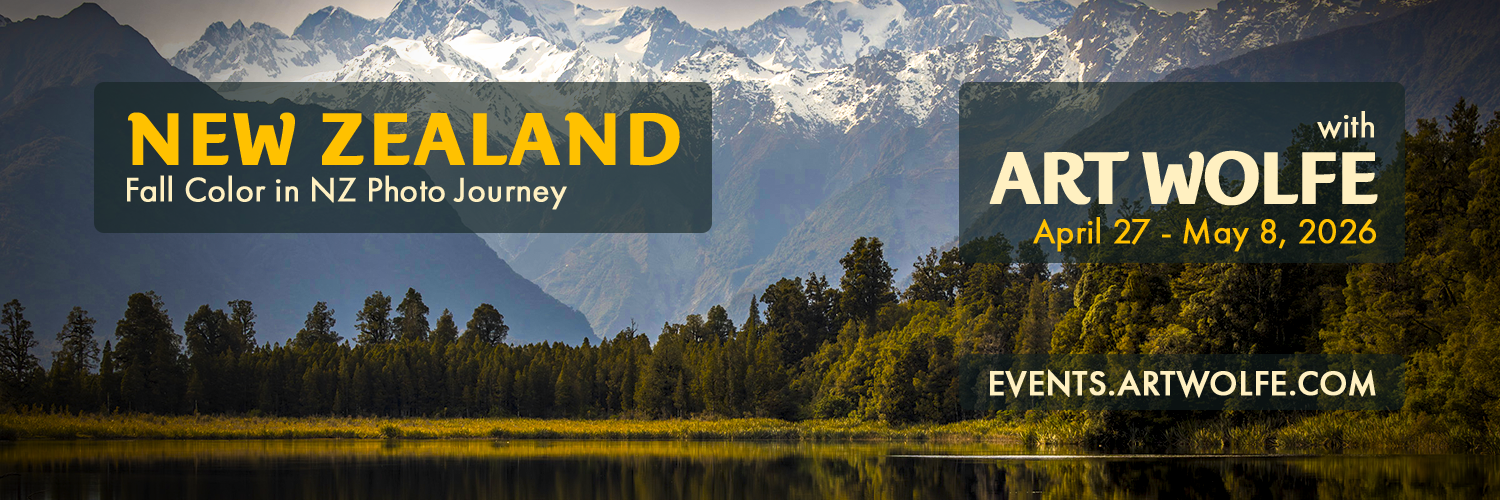
If you’re interested in joining me on my next great adventure, I’ve got a couple fantastic trips coming up, including a return to New Zealand for what is their fall color season at the end of April. My last trip there was fantastic and with fall weather and autumn hues, this one is sure to check a lot of boxes for myself and our participants!
In December 2025 a good friend and I ventured into the waters around Papua New Guinea and also took a foray inland to photograph colorful tribes.
In places like Stetin Bay, the water is remarkably clear, revealing steep reef walls, sponges, and schools of barracuda cruising past. The biodiversity is staggering. Coral gardens here are largely untouched, bursting with healthy hard corals and clouds of small fish.
The Peruvian Amazon is one of those places that leaves me in awe every time I return. In Madre de Dios, mornings began with the booming calls of red howler monkeys as macaws streaked overhead in brilliant flashes of red and green. I’d line up a shot of a hoatzin wobbling on a branch or a rufescent tiger heron poised by the water, but more often than not, I caught myself just watching—completely absorbed in the energy of the forest.
The rivers carried their own magic. One morning, a pair of giant otters surfaced so close I could hear them breathing before they slipped beneath the water. Spectacled caimans sunned themselves on muddy banks, while kingfishers and terns darted and dived with incredible speed. Even the butterflies demanded attention, and short-lined kite swallowtail offered up an opportunity for abstraction.
Photographing in Madre de Dios isn’t about one perfect image—it’s about honoring a place where nature still thrives in abundance! Enjoy the photos – and while I don’t currently have a trip to South America on the calendar, I am leading a tour in Tanzania this coming January and have a few spots remaining to join us for the Wildebeest calving season!
This past May, Gavriel Jecan and I led a tour through Vietnam’s northern region where we photographed the beautiful often terraced landscapes, the culture and commerce of daily life, and even found time to grab some abstracts. The people here are incredibly friendly and happy to share their culture with us. Add to this the awesome participants who joined us and this was a fantastic trip, offering a wide range of subjects. Enjoy the photos, and if you missed it, check out my recent story, video and images from a quick excursion to Hawaii to photograph the Kilauea eruption there to see what else I’ve been up to!
Bhutan was likely the final chance for me to photograph for my upcoming book on international spirituality and religion, Acts of Faith. I photographed the Tshechu Buddhist Festival and the Dance of the Black Hats many years ago, and it was incredible to go back there with the latest technology and my widest of wide angle lenses to ensure I could capture the colorful dancers front and center while also getting down low to capture the ancient architecture of the Rinpung Dzong monastery.
The Dance of the Black Hats is one of many dances that take place during this annual festival. In many cases, dancers wear terrifying masks to ward off evil spirits. The people here are incredibly friendly, as they are part of a national culture that embraces mindfulness and harmony within their community.
Enjoy the photos – and join me on my next adventure. There are still a couple spaces left to join us in Vietnam at the end of May!
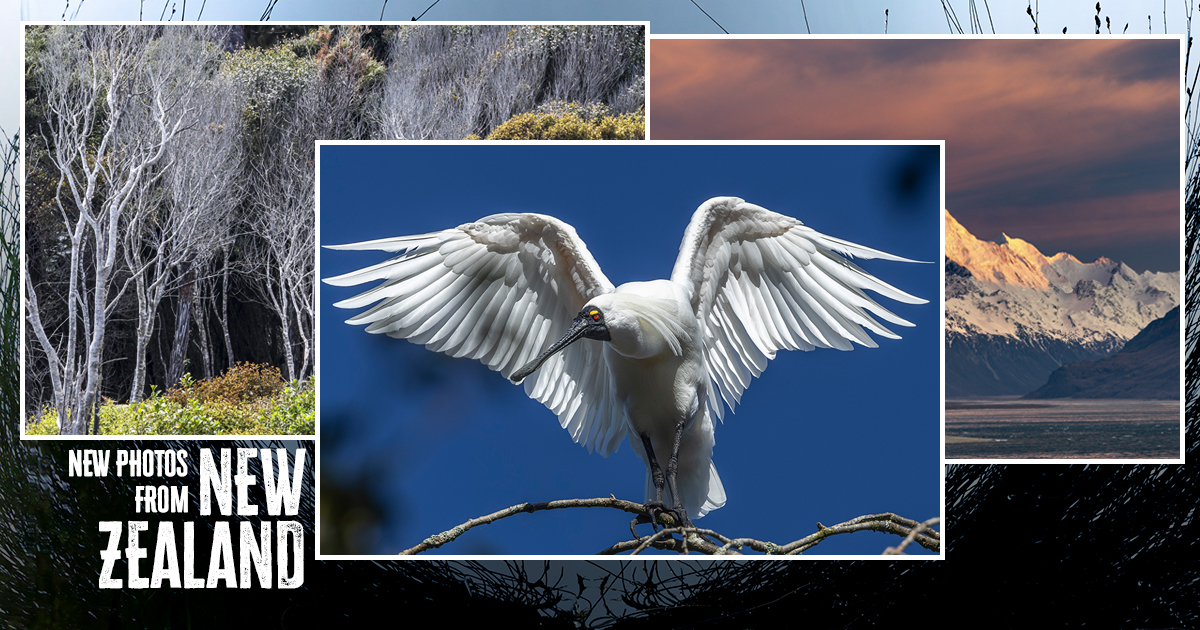
New Zealand and I go way back: in 1980 I hiked the Routeburn Track in Fiordland National Park and I shot on Kodachrome with an old Canon AE-1. Nearly thirty years later I filmed an episode of Travels to the Edge on the South Island, and last month I taught back to back workshops with a significant upgrade in gear. If you follow me on Insta or Facebook you’ve probably seen Reels of me describing how and what we were photographing, but not showing the payoff pics. Some of you were clearly not pleased about that (I do have to teach a workshop after all). Well, here’s your chance to see them now!
The unseasonably wet weather was challenging and we very nearly got snowed in on the last day, but we were able to photograph the country’s spectacular landscapes and birdlife between the squalls.
If you want to see all my faves head on over to https://www.artwolfestock.com/.
Q2 2024 photos are here! Spring kicked of with a trip to Kyoto, Japan where I aimed to capture more images of life amidst a Buddhist temple for my upcoming book on world religion and spirituality. Nestled harmoniously within the surrounding flora, this was also an opportunity to photograph landscapes and abstracts.
It was quite a shock to the system, then, to go from the serenity of temples and silent forests to the bustle and buzz of Delhi, India where millions gathered in celebration of Eid al-Fitr. I managed to find myself a perch up above the worshipping crowds and came away with the photographs I was here for.
From there I came home for a bit before visiting California for our Carmel Coast workshop, and then it was off to Iceland. If Delhi was the polar opposite of Japan in terms of activity, it was the weather in Iceland that proved to be the difference here where heavy, cool rains exposed flaws in my usually meticulous packing prep. Still, the landscape was as beautiful as ever. The iconic puffins were sparse in the areas we explored – however many other birds were present, and I’ll take variety every time.
Enjoy the photos, and while you’re here check out my upcoming tours and events. I’m always excited to get to know new travelers!
The Carmel coast in California is a captivating blend of rugged natural beauty and abundant wildlife, making it a haven for photographers. This coastal landscape offers the rocky cliffs and pristine beaches you’d expect, with seals, sea lions, otters and shore birds animating the landscape. When I’m here, I’m keeping an eye out for the abstract opportunities reflected upon the water, and familiar forms on oxidized rocks and minerals.
Variety is an important factor when I’m picking out workshop locations. Many of my personal trips in specific for book projects have me making a long trip just hoping to capture a few iconic shots of a certain species, event, or culture. When I have the opportunity to lead a workshop, variety is a huge factor in determining how frequently we might revisit a location. The Carmel coast has variety in spades as described above, but also the many forests, redwoods, and other inland sights within striking distance.
Needless to say, this is also a top-tier location for enjoying wine and food with good company as well. Looking forward to the next visit!
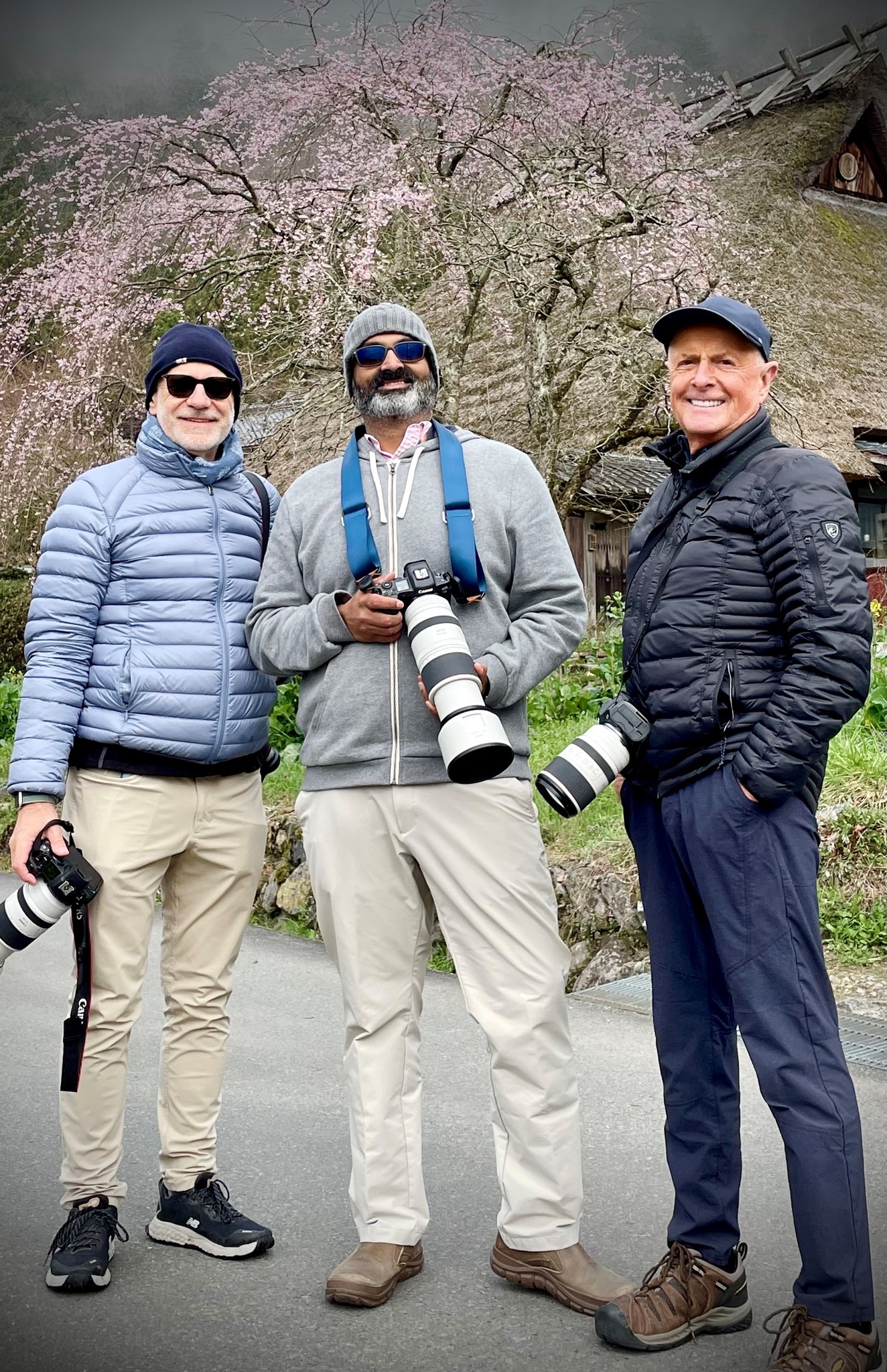
Earlier this month some good friends and myself visited Kyoto, Japan to photograph the culture and spiritual ceremonies for one of my next book projects, “Act of Faith”. Here, we had the opportunity to photograph Shinto priests and priestesses performing rituals at a sacred Shinto Shrine.
This wasn’t the first time I’ve visited Japan to capture photos for Faith. I was here a few years back to capture the Oto Matsuri purification ceremony. This trip was definitely more harmonious, without the fire and drunken shenanigans!
Shinto is Japan’s native faith, and though Buddhism nearly matches it in terms of practitioners, the way these two religions have managed to not only co-exist, but compliment one and other is just one of the many heartening aspects of world faith that will be highlighted in this upcoming project. Prominent Buddhist figures were assigned Shinto identities, while Shinto Kami, or the divine spirits that inhabit the natural world, strove for Buddhist enlightenment.
I’ve made many trips to Japan over the years, primarily to photograph the Snow macaques, cranes, and other wild life. However, the Japanese culture and reverence for nature has always fascinated me as illustrated in the way I’ve styled my West Seattle home environs as a Japanese Garden. I look forward to seeing this all come together in a celebration of world spirituality, and I highly recommend a visit to Kyoto!
March was a return to two favorite places for US workshops – Moab, Utah and Sedona, Arizona. You’ll find photos of these locations adorning postcards and in establishing shots of any films that might take place in the region. While we are there, participants are encouraged to get these iconic shots. However, our focus is on a process I mention a lot – seeing beyond the obvious. To that end, abstractions in reflections or studies of texture become works of art using your camera as your brush – unique shots most tourists won’t be coming away with!
During this trip we made a stop at a local junkyard where shots of old, rusted vehicles became our subjects. It’s an interesting transition to go from shooting an actual landscape to visualizing an abstracted vista in the rusted side-panel of a dilapidated truck. Unless I have very specific goals in mind for a wildlife trip, or something absolutely dedicated to culture, I try to find the time to shoot abstract images everywhere I go. It’s an exercise akin to keeping a sketchbook as a fine artist – a way to exercise your photographic muscles, and perhaps creating your own inspiration for future projects along the way.
I recently used a shot from this trip to illustrate the importance of using a polarizing filter, so don’t forget to pack yours if you head Southwest! it’s an invaluable tool for any landscapes to ensure colors are vivid, and especially important in a location with clear, sunny skies with so much reflected light.