As the year draws to a close, I want to wish you warm holiday greetings from all of us at the Art Wolfe office. This has been a remarkable year of photography, shared moments, and creative discovery in some extraordinary places around the world. I recently posted my gallery of images from a wild 2026 that began amongst tens of millions of pilgrims at Kumbh Mela, took me through Saudi Arabia and the rainforests of Peru, and began winding down with nothing less than my first trip to Egypt.
I’m deeply grateful to those of you who have traveled with us time and again, and equally excited about the new friendships formed along the way. Thank you for trusting us to guide you, support you, and challenge the way you see photography. I look forward to continuing the journey together and to welcoming both familiar faces and new friends in the year ahead.
In 2025, my travels took me across an extraordinary range of landscapes, cultures, and wildlife. India opened the year with unforgettable moments in Bandhavgarh National Park photographing tigers and birds, followed by the immense spectacle of the Maha Kumbh Mela in Prayagraj and the timeless atmosphere of Varanasi. Japan offered a dramatic contrast, from snow macaques in Nagano to the iconic red crowned cranes of Hokkaido. Along the way I explored cultural traditions in Saudi Arabia and Bhutan, and worked with form, texture, and color while photographing landscapes, culture, and abstracts in Vietnam.
Closer to home, I spent time in Oregon focusing on natural patterns and abstractions, and in Hawaii documenting the powerful Halema‘uma‘u eruption at Kilauea. Other highlights included the Tetons, Yellowstone, Glacier Bay, and Katmai in Alaska, as well as California’s Elkhorn Slough and the landscapes around Durango, Colorado. In Peru, encounters with spider monkeys, caiman, and giant otters made for remarkable wildlife experiences. The year concluded in Southeast Asia with Thailand’s Taoist Nine Gods Festival and the luminous Festival of Lights in Bangladesh.
Thank you to everyone who joined me on tours and events throughout the year. Your enthusiasm and curiosity made these journeys even more rewarding. I hope you will consider joining me in the field again in 2026 for another year of exploration and photography!
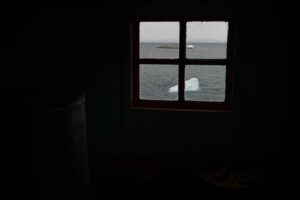
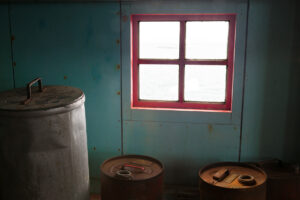
A big challenge for photographers is that the camera simply cannot capture the range of brightness in the world that we can see. When we look at a subject with our own eyes, we can see all sorts of detail, from the brightest areas to the darkest areas. Unfortunately, the camera cannot. And when there is strong contrast between bright and dark areas, the camera will emphasize, even overemphasize, that contrast.
This can be especially problematic with bright skies and dark landscapes. It can be impossible to get a single exposure directly from your camera that captures both a good sky and good ground at the same time. Another problem can occur when you are photographing a subject in the shade against a bright, sunny background; the exposure range can be so extreme that, once again, there is no correct exposure to get a good image.
The first thing to do is accept that sometimes you just have to say no to a particular picture, recognizing that it may be impossible to get a good image given the lighting conditions since no exposure will be correct. If you can recognize this, you will start looking around for images that you can say yes to. That’s an important decision to be able to make.
To get a better photograph, in certain situations, there are things you can do to control the way light comes into your camera. A traditional way for landscape photographers to deal with a bright sky is to use a graduated neutral density filter.
This filter is half clear and half gray with a blend, or gradient, through the middle. By placing the dark part of the filter over the bright part of the scene, such as the sky, and the clear part of the filter over the darker part of the scene, such as the ground, you can balance the light coming through your lens so the camera can get a good exposure.
The challenge with a graduated neutral density filter is that it creates a line through the image. If you have a mountain or tree going into the sky, it will be darkened as well as the sky, for example. Unfortunately, this is starting to be a very dated look for photography. A graduated neutral density filter can still be helpful in knocking down bright light or brightly lit areas in the picture to balance them with the rest of the image, but you just have to use it carefully so the effect is not obvious.
Another way to work with multiple image exposures is to shoot an exposure for the bright areas, then an exposure for the dark areas. These two images are then combined in the computer by using the best of each. Shooting two images like this is actually quite easy to do.
Exposure created for bright areas.Exposure Created for Dark Areas
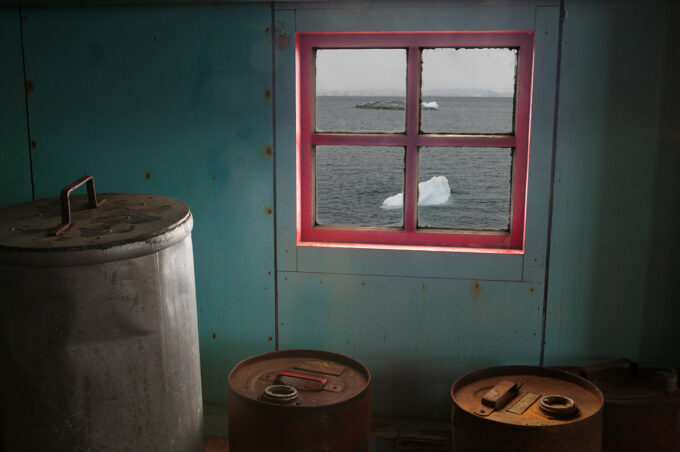
Start by locking your camera onto a tripod. Shoot one exposure that makes your sky look good, then shoot a second exposure that makes your ground look good. Bring the two images into Lightroom, where you can adjust the sky picture to make the sky look its best, and the ground picture to make the ground look its best.
Then you send the two pictures over to Photoshop as layers. Put the two pictures on top of each other as layers and make sure they are lined up. Then simply remove the bad part of the top picture, revealing the good area of the bottom picture in that section of the image. You can do this in two ways. The down and dirty way is to simply use the Eraser tool by setting it to a large size and 0 hardness (a very soft brush). You then erase the bad part of the picture.
Combined Result
The second way to do this is to use a layer mask. Add a layer mask to the top picture/layer and use a large, soft-edged (0 hardness) brush to paint black onto that layer mask and block the bad part of the top picture.
If you’d like to see the masking process in action as a future lesson for the blog, leave a comment below. Although there are a lot of helpful tools these days to help you auto-mask and adjust exposures, nothing beats knowing how to manually edit your photos without relying on automated tools that might not always give you the best results. A fundamental understanding of masking is an incredible tool for any photographer to have available to them.
Condé Nast Traveler just named Tanzania, Morocco, and Namibia some of the top places to go in 2026 and I’m thrilled to be heading to all three, with room for you to come along. We’ve put together photo tours that dive right into what makes each place so special, whether it’s Tanzania’s quiet corners of the Serengeti, Morocco’s mix of cultures and dazzling landscapes, or Namibia’s wild stretches of desert and coastline. These aren’t your standard trips; they’re uplifting, immersive adventures built for people who want to really experience a place and come home with one-of-a-kind images they’re proud of.
I like to keep these groups small so we can slow down, follow the good light, and make the most of every moment. These tours offer a unique opportunity to see and photograph some of my favorite parts of the world at their best.
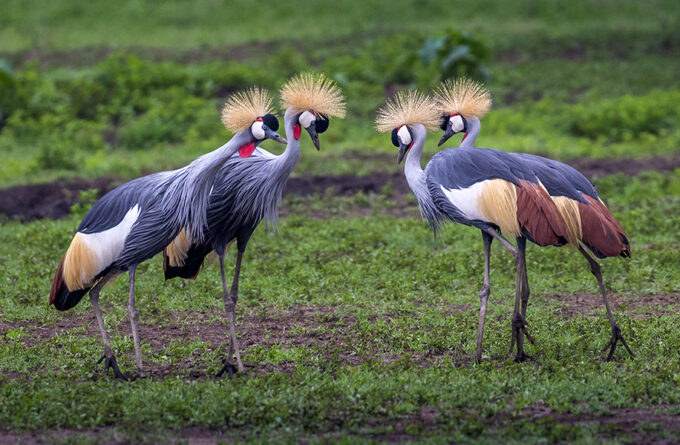
🌍 Tanzania – January 2026 Step into the heart of the Serengeti. Capture dramatic scenes of wildebeest families in motion, apex predators on the hunt, and the untamed rhythms of African wildlife in its natural habitat.
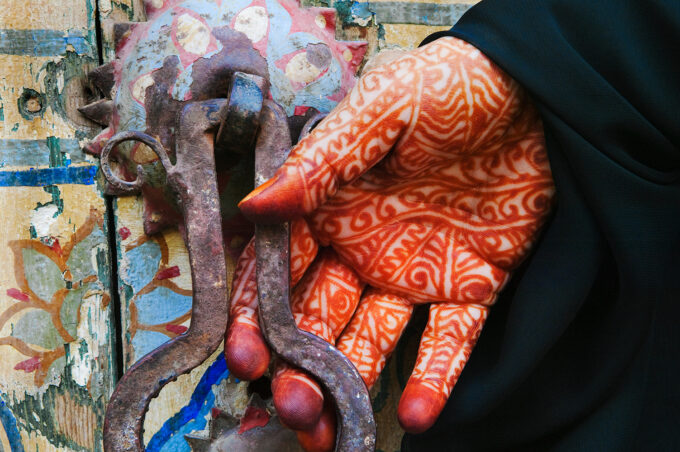
🌍Morocco – March 2026 A vibrant photographic journey through Morocco’s mountains, deserts, coastlines, and richly layered cultures; an inviting kingdom where travelers feel at home while discovering endless inspiration.
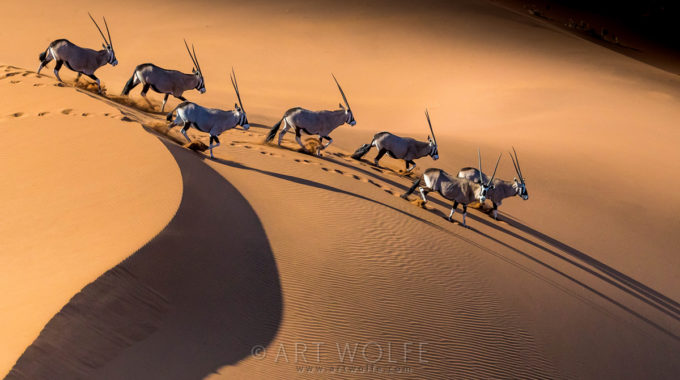
🌍 Namibia – August 2026 Explore surreal desert landscapes in Swakopmund, rugged wildlife regions in Damaraland and Etosha, and the cultural richness of Windhoek while photographing Namibia’s striking contrasts.
Looking for something more local to fit into your busy schedule? I’ll be leading several no-fuss workshops in the Pacific Northwest this year, including the Olympic Peninsula, Mount Rainier, the Columbia River Gorge, Abstract Astoria (just two spots left for that one) and more!


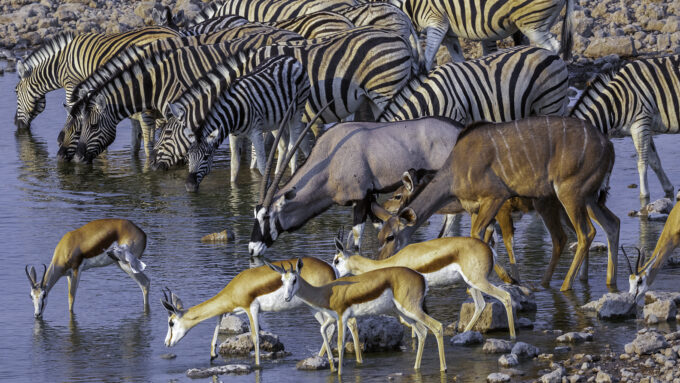 Condé Nast Traveler just named Tanzania, Morocco, and Namibia some of the top places to go in 2026 and I’m thrilled to be heading to all three, with room for you to come along. We’ve put together photo tours that dive right into what makes each place so special, whether it’s Tanzania’s quiet corners of the Serengeti, Morocco’s mix of cultures and dazzling landscapes, or Namibia’s wild stretches of desert and coastline. These aren’t your standard trips; they’re uplifting, immersive adventures built for people who want to really experience a place and come home with one-of-a-kind images they’re proud of.